
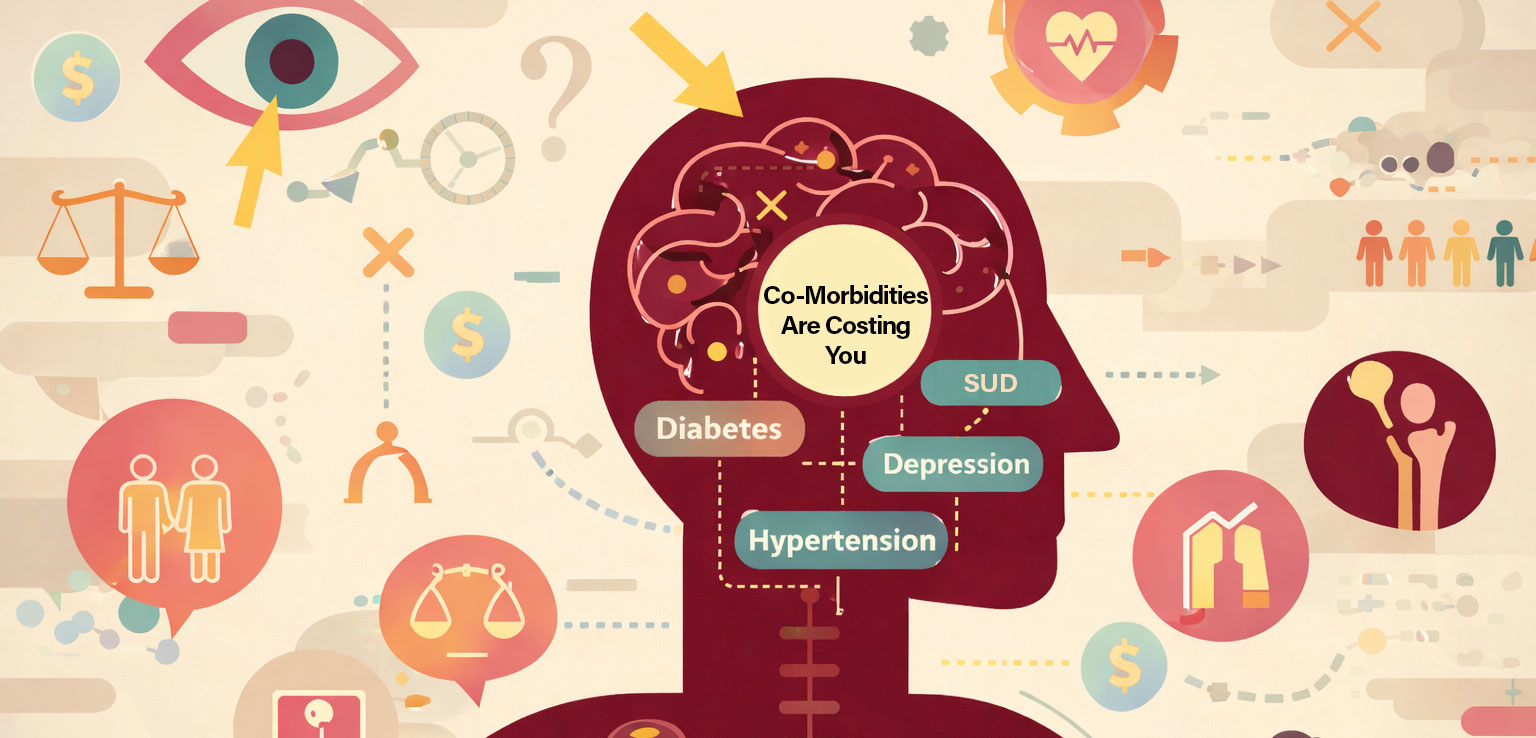
Workers’ compensation claims rarely exist in a vacuum. While an injury might appear straightforward on the surface—a back strain, a fall, or a repetitive stress injury—the reality is often far more complex. One of the biggest drivers of escalating claim costs and prolonged recovery times is the presence of co-morbidities. Recognizing and addressing these factors early can mean the difference between a controlled claim and a costly, long-term case.
The Hidden Cost of Co-Morbidities
Co-morbidities refer to pre-existing or concurrent health conditions that complicate a worker’s recovery. Common examples include:
- Diabetes
- Obesity
- Hypertension
- Depression or anxiety
- Substance use disorders
- Chronic pain conditions
These conditions often slow healing, complicate treatment plans, and increase the likelihood of secondary complications. For example, a worker with diabetes may experience delayed wound healing. An employee with untreated depression may struggle with treatment adherence or return-to-work readiness.
From a claims perspective, this creates a domino effect. Co-morbidities can lead to:
- Longer recovery timelines
- Higher medical utilization
- Increased pharmaceutical costs
- Greater risk of permanent disability
- Higher indemnity payments
Without early intervention, a relatively simple claim can quickly become a high-cost, high-risk case.
Why Co-Morbidities Often Go Unaddressed
Many claims teams focus on the immediate injury, which is understandable. However, underlying health conditions are not always identified until complications arise. By the time they surface, the claim may already be trending toward prolonged disability or chronic pain management.
Several factors contribute to this delay:
- Limited visibility into the worker’s overall health profile
- Fragmented communication between providers
- Reactive claim management strategies
- Lack of early clinical oversight
The result is missed opportunities to intervene when the claim is most manageable.
The Role of Early Case Management
Early case management is one of the most effective strategies for controlling claims involving co-morbidities. When nurse case managers or clinical professionals become involved at the beginning of the claim, they can identify risk factors that might otherwise be overlooked.

Early nurse case management helps identify barriers, coordinate care, and support injured workers on their path to recovery and return to work.
Early case management supports claims in several critical ways:
- Early Risk Identification: Clinical case managers assess the worker’s medical history and potential co-morbidities that may affect recovery. Identifying these risks early allows for more proactive care planning.
- Coordinated Care: Case managers facilitate communication between treating physicians, specialists, and rehabilitation providers. This coordination ensures that treatment plans account for underlying health conditions.
- Improved Treatment Compliance: Workers with co-morbidities often require additional support to follow treatment recommendations. Case managers help reinforce care plans and address barriers that could delay recovery.
- Return-to-Work Planning: A structured return-to-work strategy is critical for workers with complex health profiles. Case managers collaborate with employers to develop modified duty options that align with the worker’s recovery.
The Financial Impact of Early Intervention
When co-morbidities are identified early and managed proactively, the benefits extend beyond clinical outcomes. Organizations often see measurable improvements in:
- Reduced claim duration
- Lower total claim costs
- Fewer unnecessary procedures
- Higher return-to-work success rates
Early case management is not simply a clinical tool; it is a strategic cost-containment strategy.
Turning Complex Claims into Managed Outcomes
Co-morbidities are a reality in today’s workforce. As the workforce ages and chronic conditions become more common, their influence on workers’ compensation claims will only increase.
The key is not waiting until a claim deteriorates before taking action. By integrating early case management into the claims process, organizations can identify hidden risks, support better medical outcomes, and prevent manageable claims from becoming long-term liabilities.
For workers’ compensation professionals focused on cost control, workforce recovery, and operational efficiency, early clinical oversight is one of the most effective investments you can make in the life of a claim.
No responses yet