

In workers’ compensation, we spend considerable time measuring outcomes. We track treatment timelines, medical costs, return-to-work dates, and claim duration. These are important indicators of success, but they don’t always tell the whole story.
Behind every claim is a person whose life has been interrupted. Someone who may be worried about paying the mortgage, returning to work, or simply getting back to the life they enjoyed before their injury.
And sometimes, the difference between a claim that progresses smoothly and one that becomes unnecessarily complicated has less to do with the injury itself and more to do with how that person experiences the recovery process.
As we enter the season of Thanksgiving, it’s worth reflecting on something that doesn’t always appear on a claims report: the powerful connection between feeling valued, receiving compassionate support, and achieving better recovery outcomes.
When Recovery Becomes Personal
Consider the following hypothetical case, illustrating an often-overlooked dimension of the recovery process.
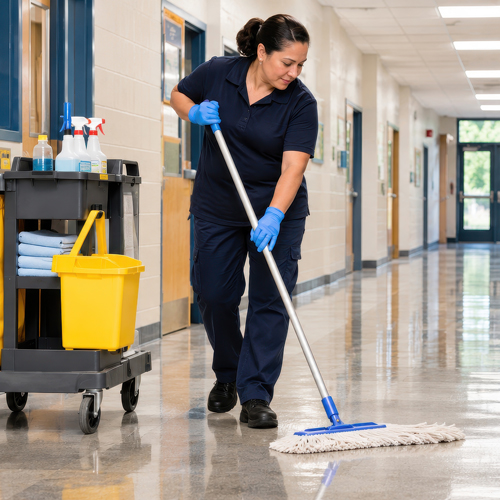
Susan, a 54-year-old elementary school custodian, suffered a serious knee injury after slipping on a wet floor at work. Following surgery, she faced several months of rehabilitation before she could safely return to her physically demanding job.
Susan had worked for the school district for nearly 20 years. She knew the teachers, the students, and many of their families. She took tremendous pride in her work and considered herself part of the school community.
But as the weeks passed, something unexpected happened. Susan began to feel invisible. The school year continued without her. Her colleagues were busy, the occasional phone calls became less frequent, and she began wondering whether anyone even noticed she was gone.
Her medical treatment was progressing appropriately, but emotionally, she was struggling. She worried that she might never return to the job she loved. Her nurse case manager noticed the change during a routine conversation.
Rather than simply reviewing Susan’s physical therapy progress, she asked what Susan missed most about being at work. “Feeling like I belong somewhere,” Susan replied. That simple exchange revealed something no medical report could adequately capture.
Susan wasn’t just recovering from a knee injury. She was struggling with the loss of an important part of her identity.
A Different Kind of Intervention
Recognizing the importance of Susan’s connection to her workplace, the nurse case manager began exploring ways to help.
With Susan’s permission, she collaborated with the treating physician and employer to identify opportunities for Susan to remain engaged with her school community while respecting her medical restrictions.
Eventually, the school arranged for Susan to participate in a few light-duty administrative activities as her recovery allowed. The change was remarkable.
Susan began reconnecting with colleagues, regained confidence in her progress, and approached her rehabilitation with renewed enthusiasm. Over time, she successfully transitioned back to her regular responsibilities.
What Susan remembered most about the experience wasn’t the number of physical therapy appointments or the details of her treatment plan. It was that someone had recognized how much her work meant to her.
And that someone had cared enough to help her find her way back. Sometimes, helping someone recover means restoring more than physical abilities. It means helping them rediscover their sense of purpose and belonging.
Compassion and Outcomes Aren’t Competing Priorities
Susan’s story illustrates an important principle in workers’ compensation: the human side of recovery and the business side of claims management are not mutually exclusive.
In fact, they’re often closely connected. When injured workers feel heard, informed, respected, and valued, they’re better positioned to participate actively in their treatment and recovery planning.
Conversely, when communication breaks down or workers feel disconnected from their employers, uncertainty and frustration can create barriers that complicate even relatively straightforward claims. This is where effective nurse case management can make an extraordinary difference.
Nurse case managers do far more than coordinate medical care. They help connect the people involved in a claim, identify concerns before they become obstacles, and create an environment where injured workers can focus on getting better.
The potential benefits extend well beyond the individual employee: improved treatment engagement, stronger stakeholder collaboration, fewer avoidable delays, more effective return-to-work planning, and ultimately, better claims outcomes.
And sometimes, those improvements begin with something as simple as asking, “How are you really doing?”
Gratitude Is More Than Saying Thank You
During November, we’re naturally inclined to think about gratitude. We appreciate our colleagues, recognize accomplishments, and reflect on the people who make a difference in our lives.
But gratitude in the workplace can also mean something more practical. It means recognizing that people want to feel valued, particularly when they’re vulnerable.
For an injured worker, that recognition might come through a returned phone call, a clear explanation of a confusing medical recommendation, or someone taking a few extra minutes to listen.
For Susan, it came through the realization that she hadn’t been forgotten and that her contributions to her workplace still mattered.
These gestures may seem small, but their impact can be significant. They communicate a simple message: You matter, and you’re not navigating this alone.
For employers and claims professionals, demonstrating that kind of support isn’t merely an expression of goodwill. It’s an investment in the relationships and trust that help make successful recovery possible.
Looking Beyond the Claim
As organizations evaluate their year-end performance and plan for the coming year, it’s worth remembering that not every meaningful outcome can be captured in a spreadsheet. A successful claim isn’t simply one that closes quickly or costs less than anticipated.
It’s one in which an injured worker receives appropriate care, regains function, returns to productive work when medically appropriate, and emerges from the experience with confidence in the people and organizations that supported them.
At ISYS®, we believe nurse case management plays a vital role in making that possible. By combining clinical expertise with compassionate communication and proactive coordination, we help bridge the gap between managing a claim and caring for the person behind it.
And perhaps that’s an especially appropriate thought for this season of gratitude.
Because sometimes, the most meaningful outcome isn’t simply getting someone back to work. It’s helping them get their life back.
Could an injured worker on your caseload use more support during recovery? ISYS® nurse case managers can help clarify work restrictions and coordinate next steps with the worker, their care team, and their employer.


No responses yet