
Most costly workers’ compensation claims don’t look complicated at first. They often begin as routine injuries with an expected treatment plan and a reasonable return-to-work timeline.
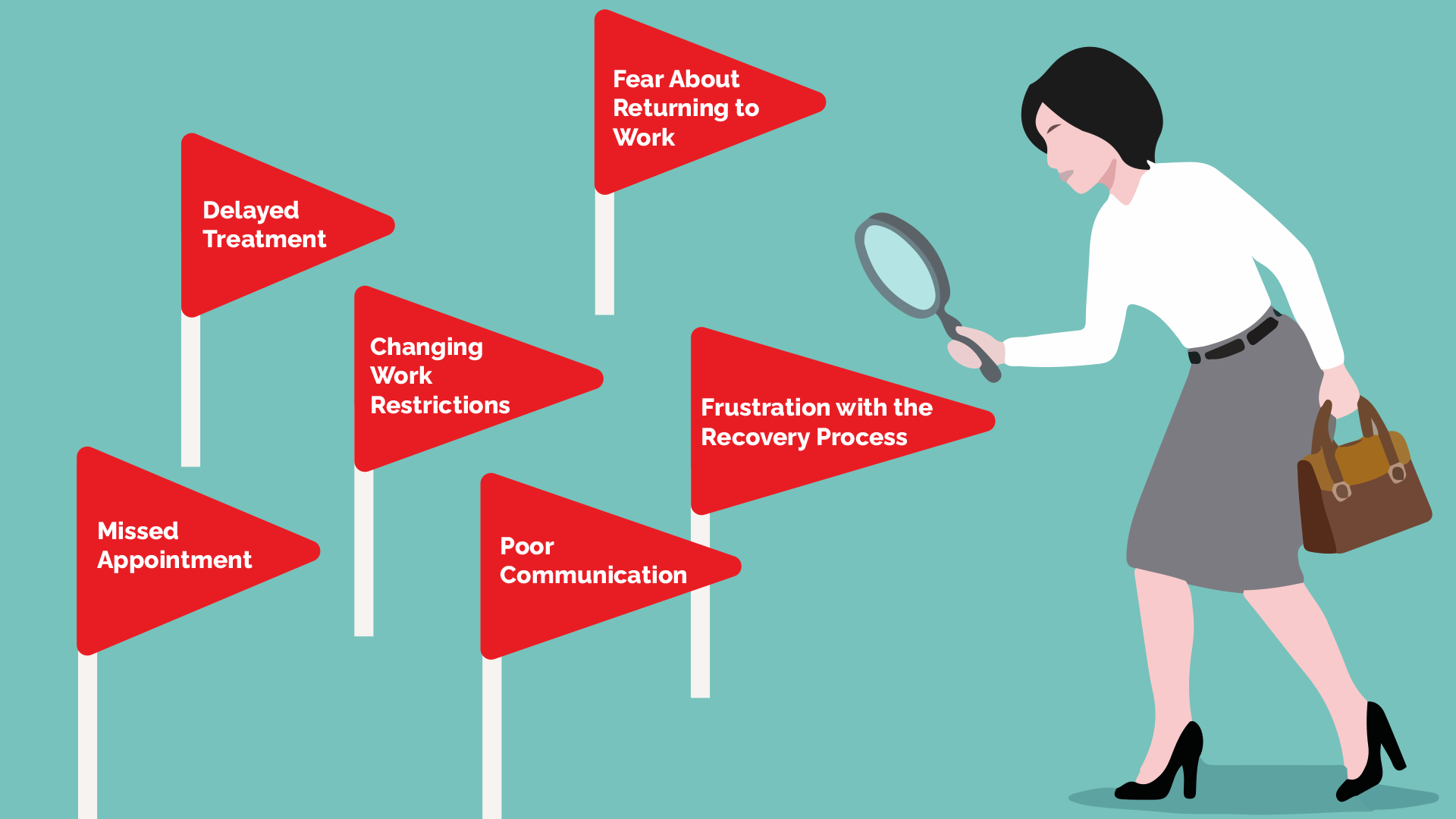
Complexity develops when small problems begin to accumulate: a missed appointment, delayed treatment, changing work restrictions, poor communication, fear about returning to work, or frustration with the recovery process.
Individually, these issues may not seem significant. Together, they can be early signs that a claim is beginning to drift.
Consider Michael’s Claim:

A routine workplace back injury can become a complex workers’ compensation claim when treatment delays, communication gaps, and return-to-work concerns begin to accumulate.
Michael, a 52-year-old warehouse supervisor, strained his lower back while moving equipment at work. Imaging showed no significant structural injury, and his physician prescribed physical therapy, temporary work restrictions, and an anticipated return to regular duty within six weeks.
Initially, everything appeared routine.
By week three, however, several small issues had emerged. Michael had missed two physical therapy appointments. His restrictions had changed twice without clear explanation. He told his supervisor that therapy was making him worse and expressed concern that returning to work too soon would cause permanent damage.
Meanwhile, his physical therapist reported limited progress, the treating physician had not received updated therapy notes, and the employer was unclear about what modified duties Michael could safely perform.
None of these issues alone made Michael’s claim “complex.”
Together, they were red flags.
A nurse case manager recognized the developing pattern and began coordinating communication among Michael, his physician, physical therapist, employer, and claims professional. The treatment plan and restrictions were clarified, Michael’s concerns about reinjury were addressed, and modified duties were identified that both he and his physician understood and supported.
Most importantly, the claim was addressed before stalled progress became prolonged disability.
Seeing the Pattern Before the Problem
Experienced nurse case managers watch for early indicators such as missed appointments, limited treatment progress, inconsistent adherence, delayed referrals, changing restrictions, communication gaps, emotional distress, and resistance or fear surrounding return to work.
The value isn’t simply identifying one red flag. It’s recognizing when several seemingly minor issues begin forming a pattern.
Early intervention creates an opportunity to address barriers while they are still manageablebefore frustration increases, treatment becomes fragmented, disability extends, and costs begin accelerating.
Related Reading: How Early Case Management Intervention Can Help Prevent Costly Workers’ Comp Claims
That can mean better treatment coordination, clearer return-to-work expectations, stronger employee engagement, reduced medical utilization, and ultimately a more predictable claim trajectory.
The Best Complex Claim May Be the One That Never Becomes Complex
As organizations evaluate claim trends and forecast future risk, attention naturally gravitates toward the claims already generating significant costs.
But some of the greatest opportunities may be hiding among the claims that still look routine.
Nurse case managers provide the clinical insight and consistent communication needed to recognize when an ordinary claim is beginning to move in the wrong direction—and intervene before those small problems become much larger ones.
Complex claims rarely become costly overnight.
ISYS® helps organizations recognize the warning signs early, address barriers quickly, and keep routine claims from becoming unnecessarily complex, because the best time to manage a difficult claim is before it becomes one.


No responses yet